

Understanding AI-Powered LLM-Assisted Breaches
Definition of AI and LLM
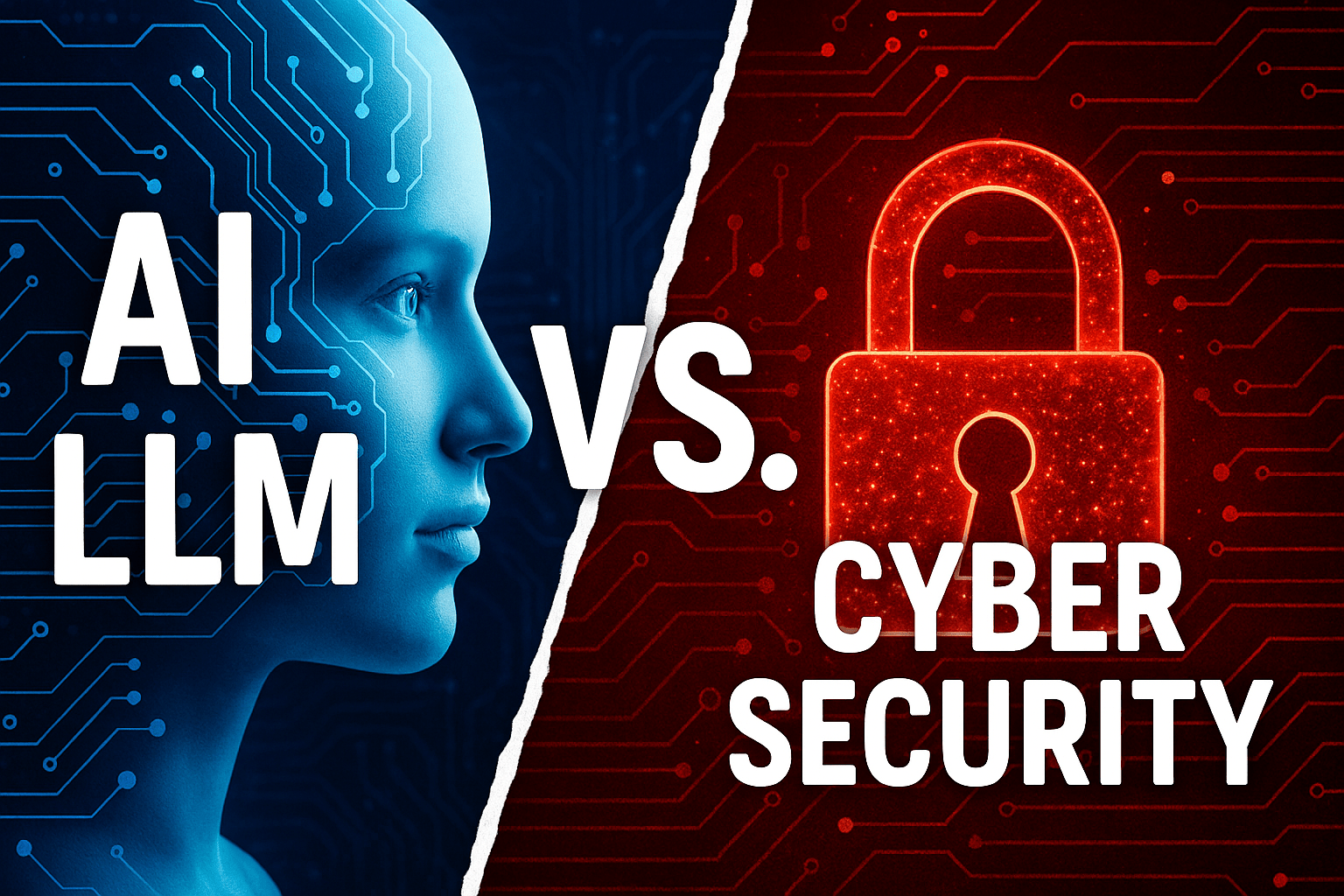
Artificial Intelligence (AI) is revolutionizing various industries, including cybersecurity. At its core, AI mimics human intelligence through machines, enabling them to learn and adapt in ways that were previously impossible. Within the realm of AI, we find Large Language Models (LLMs). These models are designed to understand and generate human-like text, which allows machines to interact with users in a more natural manner.
But what does this mean for cybersecurity? In simple terms, LLMs can analyze vast amounts of data, learn from patterns, and even predict malicious behavior.
To illustrate, think of LLMs like an incredibly sharp detective, capable of sifting through mountains of evidence to identify the smallest of clues. Instead of getting bogged down in repetitive tasks, LLMs expedite data processing, enabling quicker responses to threats.
How AI Enhances Cyber Attacks
With the advent of AI in cybersecurity, unfortunately, comes the darker side: cybercriminals are leveraging this technology to enhance their attacks. Here’s how AI amplifies the effectiveness of cyber assaults:
- Automation of Attacks: Cybercriminals use AI to automate phishing campaigns or brute-force attacks. This means they can attack multiple targets simultaneously, significantly increasing their chances of success.
- Advanced Social Engineering: Generative AI can create overly convincing emails or messages that mimic real employees within a company. This makes it easier for attackers to deceive unsuspecting users.
- Personalization: AI can analyze a target's online presence and tailor attacks to match their specific behaviors and interests, making phishing efforts much more potent and difficult to detect.
In conclusion, while AI and LLMs hold great potential for the advancement of cybersecurity, they also enable sophisticated cybercriminal activities. Organizations must stay vigilant and adopt robust security measures to combat these growing threats.
Blue Team Defense Strategies
Importance of Blue Teams in Cybersecurity
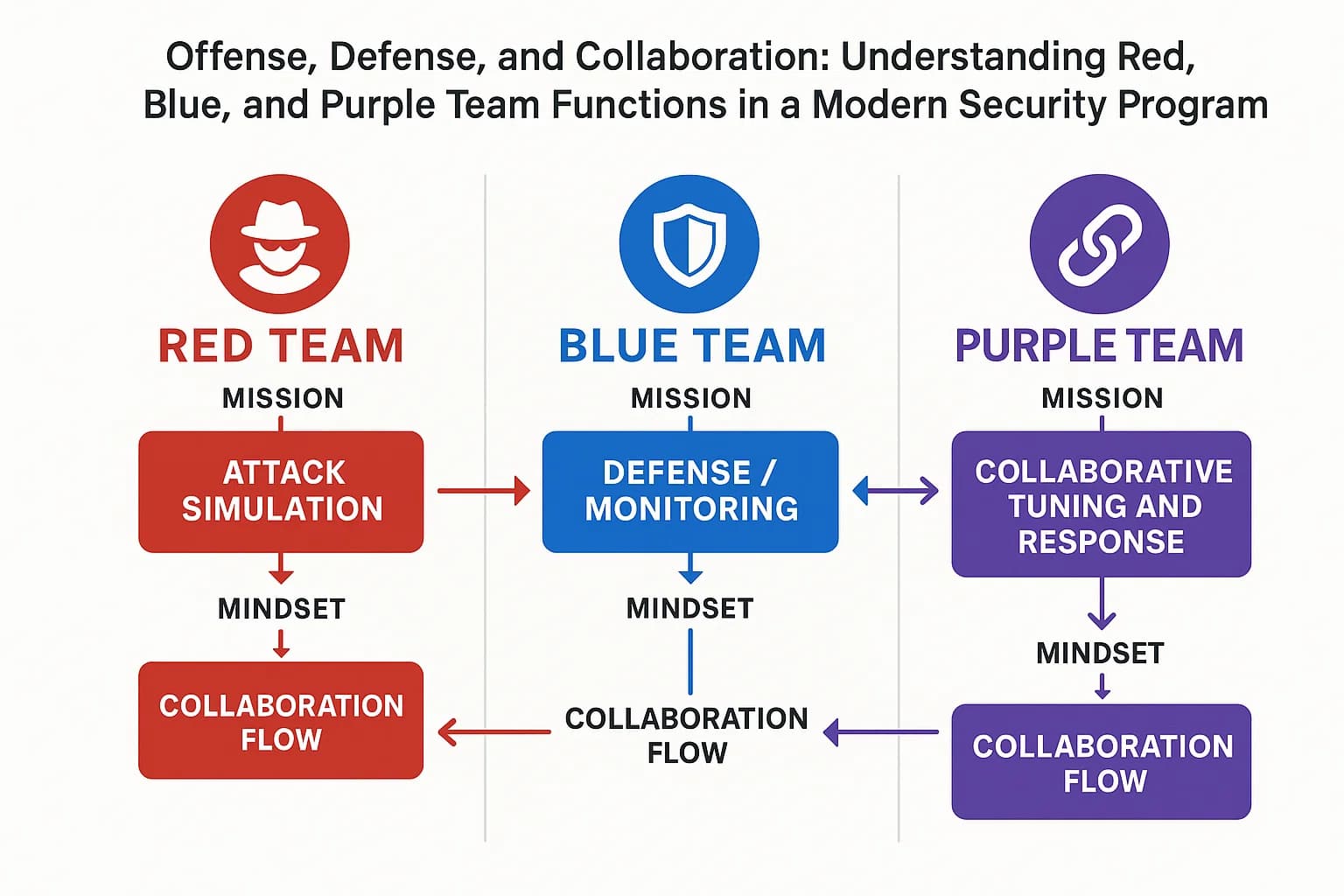
As cyber threats evolve, so does the significance of Blue Teams within the cybersecurity landscape. A Blue Team's primary role is to defend an organization’s IT infrastructure, continually monitoring, analyzing, and hardening systems against potential breaches. Just like a skilled coach ensures their team is constantly training and ready for the big game, Blue Teams prepare to safeguard against cyber attacks.
The importance of Blue Teams can be outlined through a few key functions:
- Proactive Defense: They don’t just react to threats; they anticipate potential vulnerabilities and implement measures to mitigate risks.
- Continuous Monitoring: Blue Teams assess system and network activities in real-time, allowing for rapid identification of any irregularities.
- Incident Response: In the unfortunate event of a breach, these teams are prepared to respond swiftly and effectively, minimizing damage and recovering quickly.
Without a dedicated Blue Team, organizations expose themselves to increased risks and damages.
Tools and Technologies Used by Blue Teams
To combat diverse threats, Blue Teams employ a range of advanced tools and technologies. Here are some of the critical resources that empower them:
- SIEM Solutions (Security Information and Event Management): Collecting and analyzing security data from across the organization, SIEM solutions provide insights that enhance threat detection.
- Intrusion Detection Systems (IDS): These systems monitor network traffic for suspicious activities, acting as an alert mechanism when a potential intrusion occurs.
- Endpoint Protection Platforms (EPP): Such tools protect end-user devices by detecting malware and other threats before they can cause damage.
- Vulnerability Assessment Tools: Regularly assessing systems for weaknesses helps Blue Teams prioritize and address vulnerabilities in a timely manner.
By leveraging these tools and employing proactive strategies, Blue Teams play a crucial role in the cybersecurity ecosystem, acting as the first line of defense against a growing array of cyber threats. This dynamic interplay is vital for any organization aiming to bolster its security posture and safeguard sensitive data.
Common Tactics Employed in LLM-Assisted Breaches
Social Engineering Attacks
As the digital landscape continues to evolve, social engineering attacks remain a popular tactic for cybercriminals seeking to exploit human psychology. With the introduction of AI and Large Language Models (LLMs), these tactics have reached a new level of sophistication.
Social engineering involves manipulating individuals into divulging confidential information or compromising their security. It can take various forms, such as:
- Impersonation: Attackers can use LLMs to craft emails or messages that mimic trusted individuals, such as colleagues, vendors, or even high-level executives. For example, imagine receiving an email from your boss asking for specific documents. If the communication appears convincing, a well-meaning employee might unwittingly comply.
- Manipulated Communication: AI can generate tailored messages based on an individual's online behavior, making it easier to persuade them to act against their better judgment.
The human factor is often the weakest link in security, which makes awareness and training crucial.
Phishing Campaigns and Spear Phishing
Phishing campaigns continue to be a prevalent tactic used in LLM-assisted breaches, but they’re becoming increasingly nuanced. General phishing attempts aim to trick a broad audience, often flooding inboxes with generic but convincing scams. Recent advancements in AI have enhanced the quality of these attacks:
- Generic Phishing: Attackers send mass emails that appear legitimate, attempting to lure victims into revealing credentials or clicking on malicious links.
On the other hand, spear phishing is where LLMs truly shine. This tactic focuses on targeted attacks tailored to specific individuals or organizations. The advantages include:
- High Precision: Attackers can research their targets and create highly personalized messages that resonate with the recipient's interests or concerns.
- Increased Success Rates: As a result of this personalization, spear phishing attacks often yield a much higher success rate compared to generic attacks.
As organizations become more aware of these evolving tactics, it emphasizes the need for strong security awareness training to help employees recognize and resist social engineering attacks and phishing schemes. It's not just about technology; it's about cultivating a security-savvy culture.
Detecting LLM-Assisted Breaches
AI-Driven Threat Detection
As organizations grapple with the rising tide of cyber threats, AI-driven threat detection has emerged as a game-changing solution. With sophisticated models capable of processing and analyzing large datasets at incredible speeds, AI significantly enhances the ability to identify potential breaches before they escalate.
Imagine a bustling city with countless streets and traffic lights; AI serves as the traffic control system, monitoring and directing the flow to prevent congestion and accidents. This analogy resonates when considering how AI-driven systems sift through mountains of network traffic, looking for patterns that may indicate malicious activity. Here’s how they work:
- Behavioral Analysis: AI algorithms continuously learn from historical data, establishing a baseline of normal user behavior. Any deviation from this norm can trigger alerts.
- Real-Time Analytics: Unlike traditional methods that rely on pre-defined rules, AI systems can adapt and react in real-time, identifying threats as they develop.
- Automated Response: Some advanced AI systems can even take immediate action to neutralize threats, thereby reducing response times dramatically.
These capabilities ensure that organizations can respond rapidly to threats, reducing the risk of significant damage.
Anomaly Detection Techniques
In conjunction with AI-driven threat detection, anomaly detection techniques play a vital role in identifying LLM-assisted breaches. By focusing on unusual patterns within network activity, these methods provide an extra layer of scrutiny.
Key techniques include:
- Statistical Methods: These use statistical models to identify data points that fall outside the typical range. For example, if a user accesses sensitive data at odd hours, it may raise red flags.
- Machine Learning Algorithms: Using supervised and unsupervised learning, these algorithms recognize patterns and can distinguish between benign and potentially harmful activities.
- User and Entity Behavior Analytics (UEBA): By analyzing behaviors across all users and systems, UEBA helps identify anomalies that could indicate compromised accounts.
Incorporating these anomaly detection techniques allows organizations to bolster their defenses, increasing the likelihood of spotting LLM-assisted breaches before they can inflict significant harm. The combination of AI-driven threat detection and anomaly detection equips businesses with powerful tools to maintain a robust security posture.

Responding to LLM-Assisted Breaches
Incident Response Plans
When an LLM-assisted breach occurs, the clock starts ticking. This is where having a robust incident response plan (IRP) becomes crucial. An IRP is essentially a well-laid roadmap that guides organizations through the labyrinth of actions needed to contain, mitigate, and recover from an incident.
Imagine a fire drill: everyone knows their roles, what to do, and where to go in an emergency. Similarly, an effective IRP ensures that all team members are prepared. Here’s what a sound incident response plan typically includes:
- Preparation and Training: Regular training sessions help staff identify potential threats and understand their specific roles in the incident response team.
- Detection and Analysis: This phase involves identifying the breach, gathering relevant data, and assessing the damage. Quick, accurate assessments can prevent a minor incident from turning into a full-blown crisis.
- Containment and Eradication: Rapid containment is pivotal. This involves isolating the affected systems to prevent further damage and then eradicating the root cause of the breach.
- Post-Incident Review: Once the dust settles, it’s essential to conduct a thorough review. Analyze what went wrong, what went right, and how to improve future responses.
Mitigation Strategies
Even with a solid incident response plan, organizations should adopt proactive mitigation strategies to reduce the risk of future breaches. These strategies act as a safety net for any vulnerabilities exposed during a breach. Here are some effective approaches:
- Regular Security Audits: Frequent audits can help organizations pinpoint existing vulnerabilities before they are exploited by attackers.
- User Education and Awareness: The human factor is often the weakest link in cybersecurity. Providing ongoing training helps employees recognize threats and respond appropriately, which adds a layer of security.
- Implementation of Zero Trust Architecture: This security model assumes that threats can exist both outside and inside the network. By continuously verifying users and devices, organizations can minimize risks.
By applying thoughtful incident response plans in tandem with robust mitigation strategies, organizations can not only bounce back from breaches but also enhance their overall security posture, readying themselves for whatever the future holds in the rapidly evolving landscape of cyber threats.

Collaborative Approaches: AI and Blue Teams
Integration of AI in Blue Team Operations
As the cybersecurity landscape grows increasingly complex, the integration of AI into Blue Team operations has become a game changer. Picture the ultimate sidekick in a superhero movie—always ready to analyze data at lightning speed and assist the hero in thwarting villains. This is how AI functions alongside Blue Teams today.
By utilizing AI technologies, Blue Teams can enhance their capabilities in several ways:
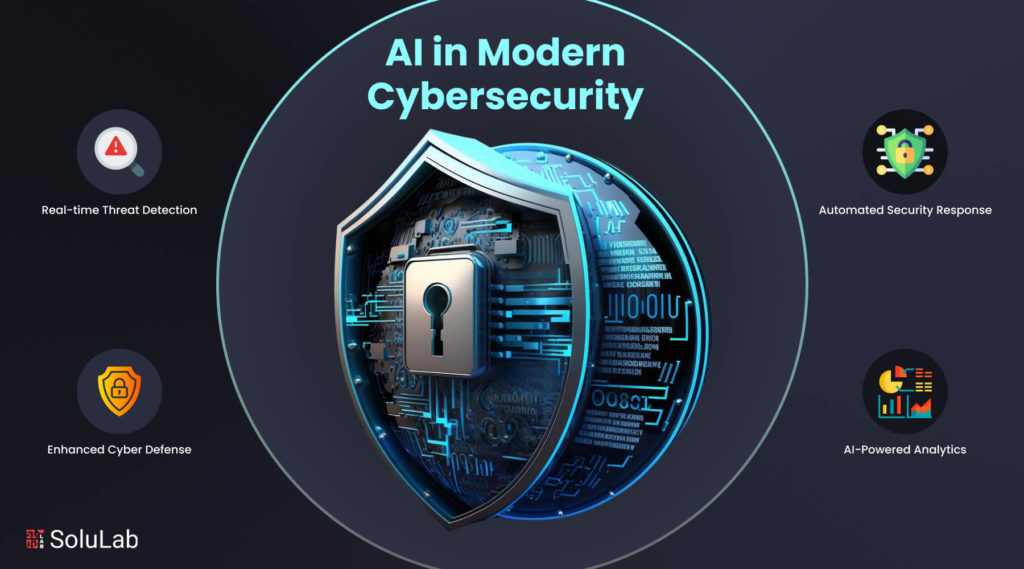
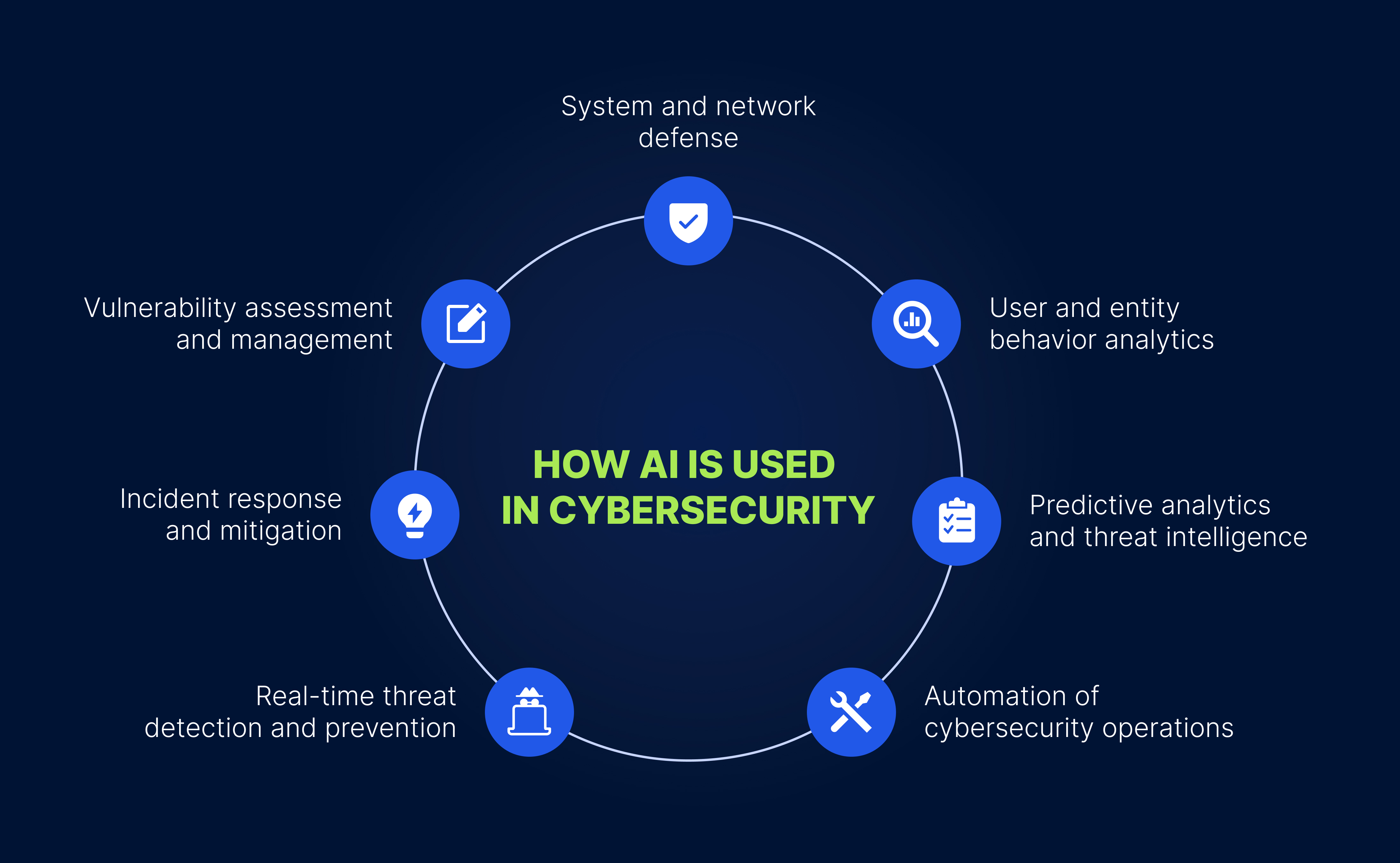
- Automated Threat Detection: AI can sift through enormous datasets to identify anomalies and potential threats faster than traditional methods. For example, an AI system might instantly recognize unusual login attempts from multiple locations and alert the team.
- Predictive Analytics: Leveraging historical data, AI can help forecast future threats and attack patterns, allowing Blue Teams to proactively fortify their defenses.
- Streamlined Incident Response: Automation tools powered by AI can take care of repetitive tasks, enabling Blue Team members to focus on more complex issues, improving the overall efficiency of the response process.
Integrating AI into Blue Team operations not only boosts productivity but also enhances threat awareness, making organizations more resilient.
Benefits of Collaboration in Defense
The collaboration between AI and Blue Teams brings significant advantages to overall cybersecurity defense strategies. When these two elements work in harmony, the results can be transformative:
- Enhanced Decision-Making: AI provides actionable insights to Blue Teams, allowing them to make informed decisions quickly. This is especially critical during high-pressure situations like responding to an incident.
- Greater Efficiency: The reduction of manual tasks means that Blue Team personnel can dedicate more time to strategic planning and improvement measures, thereby strengthening the organization’s security framework.
- Improved Training and Simulation: AI can create realistic attack scenarios that help train Blue Teams in a controlled environment. This hands-on experience is invaluable for preparing for real-world incidents.
In summary, the integration of AI into Blue Team operations fosters a collaborative approach that enhances security effectiveness. By leveraging the strengths of both AI and skilled cybersecurity professionals, organizations stand a better chance of defending against sophisticated cyber threats, ensuring a safer digital environment for all.
Future Trends and Challenges
Evolving Threat Landscape
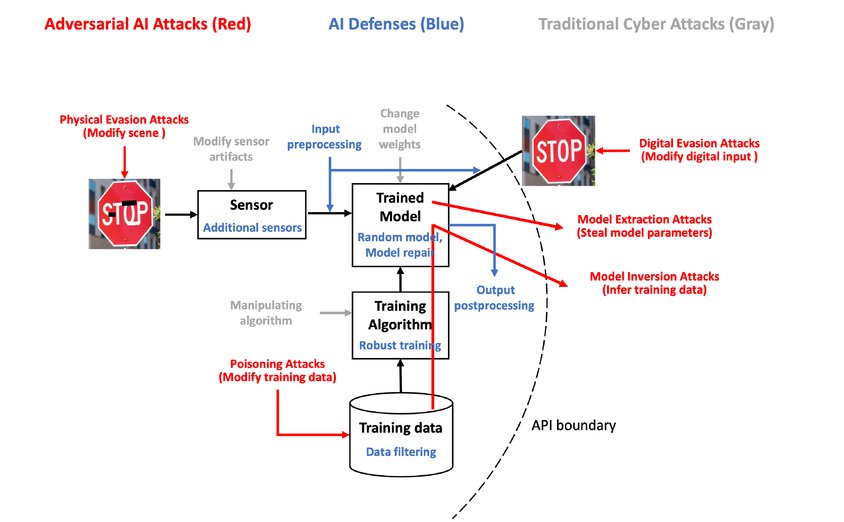
As technology continues to advance at breakneck speed, the evolving threat landscape presents both new opportunities and challenges for organizations. Cybercriminals are becoming increasingly sophisticated and resourceful, leveraging tools like LLMs and AI to carry out more targeted and devastating attacks.
Consider a scenario where a data breach gets amplified by social engineering tactics powered by generative AI. Attackers can craft messaging that is not only believable but also tailored to specific individuals, making it more challenging to detect. A few key trends on the horizon include:
- Increased Use of AI by Cybercriminals: Just as Blue Teams enhance their defenses with AI, cybercriminals are developing their own AI-driven strategies, creating a digital arms race.
- Rise of Ransomware-as-a-Service (RaaS): The accessibility of sophisticated ransomware kits allows less technically skilled criminals to launch attacks, broadening the pool of potential threat actors.
- Targeted Attacks on Critical Infrastructure: With an increase in reliance on digital systems for essential services, attackers are likely to focus on vital sectors, raising the risk for all organizations.
Navigating this evolving landscape will require continuous adaptation and innovation in cybersecurity strategies.
Ethical Implications of AI in Cybersecurity
With the integration of AI in cybersecurity comes a responsibility to consider the ethical implications of its use. While AI can bolster defenses, it also poses unique challenges that organizations must address proactively.
For instance, the deployment of AI tools in threat detection raises questions about privacy. Organizations must ensure that they don’t inadvertently compromise individuals' rights while monitoring for threats. Here are some ethical considerations to keep in mind:
- Bias in AI Algorithms: If AI systems are trained on flawed data, they may produce biased results, leading to undue scrutiny of innocent users.
- Accountability: When AI systems make decisions regarding threat detection or response, it’s crucial to establish who is responsible in case of an error or a violation.
- Transparency: Maintaining transparency about AI's role in cybersecurity practices can help build trust among employees and stakeholders.
In summary, as organizations look towards the future, they must remain vigilant not only in responding to evolving threats but also in ensuring that the use of AI in cybersecurity adheres to ethical standards. Balancing innovation with responsibility will be key to creating a secure and trusting digital environment as we move forward.


0 Comments