


Introduction
Overview of Network Segmentation
Network segmentation is a fundamental practice in cybersecurity that involves dividing a computer network into smaller, manageable sections, or segments. By doing so, organizations can effectively reduce the spread of potential cyber threats and enhance operational efficiency. Imagine your network as a vast city; without segmentation, traffic flows across every street freely, potentially leading to chaos. A segmented network functions like a well-planned urban layout with clear zones for residential, commercial, and industrial activities, each protected from the other.
Key benefits of network segmentation include:
- Improved Security: Limiting access to sensitive data to only authorized users.
- Enhanced Performance: Reducing network congestion and optimizing resource use.
- Simplified Compliance: Ensuring adherence to regulations by controlling data flow.
Importance of Securing Networks
In today’s digital landscape, securing networks is more critical than ever. Cyberattacks can lead to significant financial losses, reputational damage, and legal repercussions for organizations. For instance, a recent ransomware attack on a healthcare provider led to a data breach, affecting thousands of patients.
To combat these risks, network segmentation is vital. It offers a protective barrier that:
- Safeguards sensitive information.
- Limits the impact of security breaches.
- Facilitates the identification of suspicious activity.
By prioritizing network segmentation, businesses can foster a secure environment and foster trust with stakeholders, ensuring the integrity of their operations.

Understanding Port Isolation
Definition and Purpose
Port isolation is an essential network security technique that restricts communication between devices connected to different ports on the same network switch. Think of it like a well-fortified fortress—while everyone inside is protected, the walls ensure that intruders cannot sneak in. This approach is vital in environments where sensitive information is transmitted, such as in corporate settings or educational institutions.
The primary objectives of port isolation include:
- Enhanced Security: By preventing devices from communicating with each other, the risk of lateral movement within a network is minimized.
- Controlled Access: Organizations can dictate who can see what resources, making it easier to protect sensitive data.
- Reduced Threat Impact: Should a breach occur in one segment, the damage can be contained, preventing further exposure.
How Port Isolation Works
Port isolation functions by configuring network switches to deny data packets from traveling between isolated ports. Each port can still connect to the outside network, but internal communications are strictly limited.
Here’s how it typically works:
- Configuration: Network administrators configure specific ports on a switch to enable isolation settings.
- Packet Filtering: When a device sends a request to another device on a separate port, the switch filters that request and denies it.
- Segmented Communication: Devices can still communicate with external networks but cannot talk to each other.
With this setup, organizations can fortify their network defenses and ensure that sensitive information remains under tight control, providing peace of mind in a digitally vulnerable world.
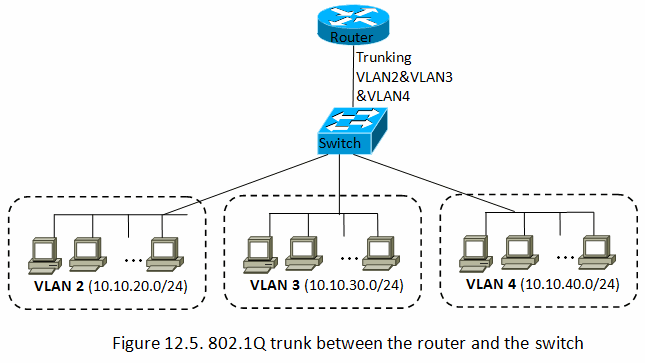
Understanding VLANs
Definition and Purpose
Virtual Local Area Networks (VLANs) are a crucial tool in network design that enables logical grouping of devices within a single physical network. Imagine you’re organizing a community event: you might separate different groups—like vendors, volunteers, and attendees—into distinct areas for better communication and management. Similarly, VLANs create separate networks within the same infrastructure to optimize resources and enhance security.
The primary purposes of VLANs include:
- Traffic Management: By segregating traffic, VLANs reduce congestion and improve performance.
- Security Enhancements: Sensitive data can be isolated to specific VLANs, offering an additional layer of protection.
- Simplified Network Changes: As organizational structures evolve, VLANs allow for easier reconfiguration without physical changes to the network.
How VLANs Work
Implementing VLANs involves designating a group of devices on the same switch (or across multiple switches) to a single logical network, allowing them to communicate as though they were in the same physical area. Here's how it operates:
- VLAN Tagging: Devices are assigned tag identifiers; when packets flow through a switch, these tags dictate the devices' VLAN memberships.
- Switch Configuration: Network switches need to be configured to recognize these VLAN identifiers and direct traffic accordingly.
- Inter-VLAN Routing: If devices from different VLANs need to communicate, a router or layer-3 switch is used to facilitate that communication safely.
This powerful segmentation enables organizations to maintain efficient, secure networks while adapting to changing needs with relative ease. By embracing VLANs, companies can ensure stronger security measures and better overall network management.
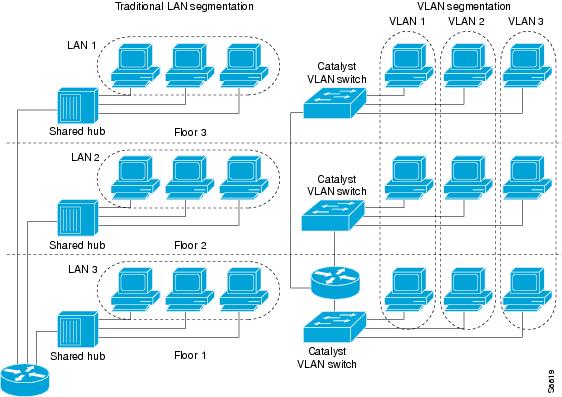
Comparison: Port Isolation vs VLANs
Benefits and Limitations of Port Isolation
Port isolation offers a straightforward approach to network security by restricting communication between devices connected to different ports on the same switch. This method is particularly beneficial for environments that require tight control over data access, such as hospitals or financial institutions.
Benefits include:
- Simplicity: Easy to set up and manage, making it suitable for smaller networks.
- Immediate Security: Automatic restriction of communication helps contain potential breaches quickly.
- Minimal Configuration: Limited technical setup is needed, as each port operates independently.
However, port isolation has its limitations:
- Rigidity: Since communication is heavily restricted, it may hinder necessary interactions between devices.
- Scalability Challenges: As network needs grow, the static nature can become cumbersome, requiring more complex configurations.
Benefits and Limitations of VLANs
On the other hand, VLANs provide a dynamic approach to network segmentation. They allow devices to communicate within their logical groups while maintaining separation from other VLANs, akin to a well-orchestrated performance where each section contributes uniquely.
Benefits of VLANs include:
- Flexibility: Easy reconfiguration allows for changes in groupings without physical alterations.
- Enhanced Security: Segregates sensitive data, minimizing exposure to unauthorized access.
- Optimized Traffic Flow: Reduces congestion by limiting broadcast traffic within VLANs.
Yet, they also come with caveats:
- Complex Set-Up: Requires careful planning and configuration, which can complicate initial implementation.
- Inter-VLAN Routing: Communication between VLANs necessitates additional routing hardware, potentially increasing costs.
In summary, while both port isolation and VLANs have their strengths and weaknesses, the choice between them depends largely on an organization's specific needs, priorities, and scale. Understanding these distinctions can help in crafting a robust network security strategy.
Implementation Considerations
Factors to Consider for Port Isolation
When contemplating port isolation, there are several factors organizations should weigh to ensure successful implementation. It's like preparing a recipe—missing an ingredient can lead to a less-than-stellar dish!
Key factors include:
- Network Size: Port isolation is most effective in smaller networks. Larger networks may require more complex management.
- Critical Applications: Identify applications that might need inter-port communication. If many devices require constant interaction, port isolation could become a limiting factor.
- Existing Infrastructure: Consider your current network hardware and whether it supports the necessary configuration for isolation.
- Compliance Requirements: Some industries have strict regulations concerning data access. Ensure that your isolation strategies align with compliance needs.
While port isolation is straightforward, it’s essential to assess whether it meets the specific security and operational requirements of your organization.
Factors to Consider for VLANs
When implementing VLANs, the considerations become somewhat more complex, but with that complexity comes flexibility—like crafting a detailed blueprint for a new home.
Crucial factors to keep in mind include:
- Configuration Complexity: VLANs require more sophisticated network configuration. It’s important to have knowledgeable IT staff to set it up.
- Future Expansion: Consider the potential for growth. VLANs allow flexibility to easily reorganize as your network scales.
- Hardware Compatibility: Ensure that your switches and routers support VLAN tagging and inter-VLAN routing.
- Traffic Management: Plan how to manage traffic efficiently to avoid congestion and ensure seamless communication between VLANs.
By carefully considering these factors, organizations can select the best approach to network segmentation, maximizing both security and performance based on their needs. Whether opting for port isolation or VLANs, a thoughtful implementation strategy can pave the way for a secure and efficient network ecosystem.

Best Practices for Network Segmentation
Security Considerations
Implementing effective network segmentation is crucial for bolstering an organization’s security posture. Think of it as setting up protective barriers in a high-security building—each section has its access controls to prevent unauthorized entry.
Here are some key security best practices:
- Define Clear Policies: Establish access control policies that outline who can connect to which segments. This ensures only authorized users can access sensitive data.
- Regular Audits: Conduct routine audits of your segments to identify any potential vulnerabilities or unauthorized access points.
- Monitor Traffic: Use intrusion detection systems (IDS) to monitor traffic between segments. Early detection of unusual patterns can help prevent breaches.
- Network Segmentation Layers: Implement multiple layers of segmentation. For instance, you could use VLANs for logical separation and firewalls for physical barriers to further safeguard sensitive areas.
By integrating these practices, organizations can create a robust defense mechanism that significantly reduces the risk of data breaches and unauthorized access.
Network Performance Optimization
Beyond security, effective network segmentation enhances performance, much like organizing a busy kitchen for smooth meal preparation.
Tips for optimizing network performance include:
- Minimize Broadcast Traffic: Segmenting networks can reduce unnecessary broadcast traffic, leading to improved overall performance.
- Prioritize Critical Applications: Allocate resources efficiently by ensuring that high-priority applications have dedicated segments, minimizing latency and slow response times.
- Load Balancing: Utilize load balancers to distribute traffic evenly across segments, ensuring that no single segment becomes a bottleneck.
- Scalability Planning: Design your segments with future growth in mind, allowing for easy addition of resources without causing disruptions.
By focusing on both security considerations and performance optimization, organizations can design a network segmentation strategy that not only protects valuable data but also enhances overall operational efficiency. With a solid plan in place, companies can thrive in today’s fast-paced digital environment.

Case Studies
Real-world Examples of Port Isolation Implementation
To understand the practical benefits of port isolation, let’s explore a compelling case study from a mid-sized financial institution. Facing strict regulatory requirements to protect sensitive customer data, the organization decided to implement port isolation on its network.
Key actions taken included:
- Segmentation of Office Devices: All employee workstations were isolated on separate ports to prevent unauthorized access between devices.
- Controlled Access to Sensitive Systems: Servers handling confidential financial information were placed on isolated ports, restricting communication to only required administrative access.
- Visual Monitoring Tools: The firm employed monitoring tools to visualize network traffic, allowing IT staff to quickly identify and respond to unusual activity.
This implementation not only heightened security but also helped in reducing the potential impact of any security breaches, ensuring compliance with industry regulations.
Real-world Examples of VLAN Implementation
In another scenario, a large retail chain sought to improve both its security and operational efficiency through VLAN implementation. This organization faced challenges such as heavy traffic congestion during peak seasons.
Their solution involved:
- Creating Separate VLANs for Departments: Different departments, such as sales, inventory, and human resources, were placed on separate VLANs to manage traffic effectively.
- Segmenting Guest Networks: A VLAN was designated for guest Wi-Fi access, prohibiting guests from accessing internal networks, thus safeguarding sensitive company data.
- Dynamic Configuration: When new stores opened, IT teams easily configured VLANs without requiring major hardware changes, allowing for rapid scaling of operations.
This strategic VLAN deployment resulted in improved performance and reduced congestion, enhancing the overall shopping experience while ensuring robust security measures were in place. Through these real-world examples, it’s clear that both port isolation and VLANs can significantly impact organizational security and efficiency, leading to better resource management and operational success.
Future Trends and Innovations
Emerging Technologies in Network Segmentation
As technology continues to evolve, so too does the landscape of network segmentation. Emerging technologies are shaping how organizations approach segmenting their networks, making it more efficient and secure than ever before.
Key trends include:
- Software-Defined Networking (SDN): This technology allows for more dynamic and flexible network management. SDN enables organizations to modify their network architecture programmatically, facilitating rapid reconfiguration of segments based on real-time needs.
- Zero Trust Architecture: Emphasizing "never trust, always verify," zero trust models require strict identity verification, giving rise to more granular segmentation within networks. This trend focuses on least privilege access to minimize risk.
- Micro-Segmentation: This approach goes beyond traditional segmentation by isolating individual workloads and applications. By ensuring that each component operates independently, organizations can better protect sensitive information.
These innovations create a more agile framework, improving overall security and adaptability.
Impact of IoT on Network Segmentation
The proliferation of Internet of Things (IoT) devices presents unique challenges and opportunities for network segmentation. With the number of connected devices skyrocketing, organizations must adapt their segmentation strategies to manage risks associated with these endpoints.
Considerations include:
- Device Diversity: IoT devices come in various forms, each with different security needs. Effective segmentation can isolate IoT devices from critical networks, minimizing the risk of breaches.
- Increased Traffic: As more devices connect to networks, traffic can congest. Smart segmenting helps prioritize traffic from IoT devices, ensuring seamless operation without overwhelming bandwidth.
- Regular Updates and Management: Keeping IoT devices secure requires ongoing management to apply necessary updates. Proper segmentation simplifies monitoring and control of these devices.
In summary, as organizations navigate the complexities of modern networks, emerging technologies and the rise of IoT will play vital roles in shaping future segmentation strategies. Adapting to these trends will be crucial for maintaining secure and efficient networks in an increasingly connected world.
Conclusion
Recap of Key Differences between Port Isolation and VLANs
As we wrap up our discussion on network segmentation strategies, we can clearly see that both port isolation and VLANs offer unique approaches tailored to diverse organizational needs.
Key differences include:
- Communication Restrictions: Port isolation restricts communication between devices connected to different ports, whereas VLANs allow device communication within the same logical segment while preventing access between different segments.
- Implementation Complexity: Port isolation tends to be simpler to configure and manage, making it ideal for smaller networks. VLANs, albeit more flexible, require a deeper understanding of network architecture and may demand more technical expertise.
- Scalability: VLANs shine in scalability, allowing rapid adjustments as networks grow, while port isolation can become unwieldy in larger systems due to its static nature.
Both strategies have their merits, and understanding these differences is crucial for effective implementation.
Importance of Choosing the Right Segmentation Strategy for Network Security
Choosing the right segmentation strategy is paramount in today’s digital landscape, where data breaches can have catastrophic consequences. Organizations must assess their specific environments, regulatory requirements, and future growth plans when making this choice.
For instance, a company handling sensitive customer data might prioritize security through port isolation, while a large enterprise with multiple departments may benefit from the flexibility offered by VLANs. Ultimately, a well-implemented segmentation strategy not only improves security but also enhances network performance and efficiency.
By carefully aligning the chosen method with organizational needs, companies can build a robust defense mechanism that adapts to the ever-evolving cybersecurity challenges ahead, ensuring that their networks remain secure in an increasingly interconnected world.


0 Comments